Access restrictions and delays for W8 removals
Posted on 30/06/2026
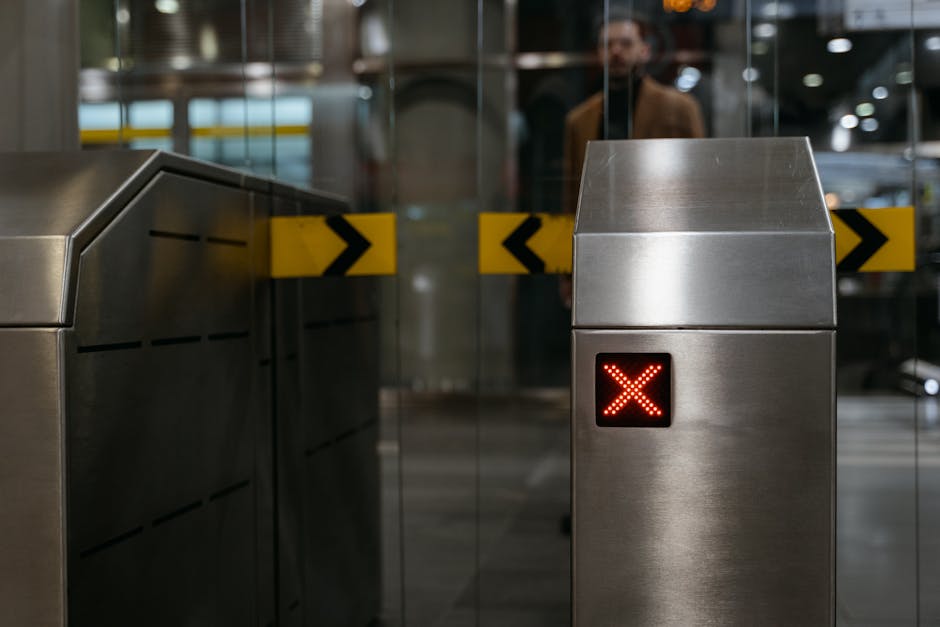
If you are planning a move in W8, the tricky bit is rarely the packing. It is the access. Narrow mews, busy high streets, permit timing, basement steps, awkward lifts, and building rules can all slow a removal down before the first box is even loaded. That is why understanding access restrictions and delays for W8 removals matters so much. A well-planned move in Kensington can feel smooth; a poorly planned one can turn into a long day of waiting, re-parking, and quiet frustration. In this guide, we will break down what actually causes delays, how professional teams work around them, and what you can do to keep your move calm, efficient, and realistic.
We will also cover the practical side: how access checks affect quotes, when storage or a smaller vehicle makes sense, and which details people often forget until the van is already outside. To be fair, that is usually when the stress starts.
Why access restrictions and delays for W8 removals matter
W8 is a beautiful place to live, but it is not the easiest place to move in and out of. Streets can be busy, parking can be limited, and many properties were built long before modern removal vans existed. That means the biggest risk is not usually damage to the furniture. It is time loss.
When access is restricted, every part of the move becomes harder: loading takes longer, parking may need to be adjusted, and crews may have to carry items further than expected. A one-bedroom flat can suddenly become a half-day logistical puzzle if the nearest safe parking spot is around the corner and the lift is out of service.
Delays matter because removal work is timed around people, vehicles, and sometimes building rules. If one part slips, the whole day can slip. That may affect your moving slots, your completion handover, your cleaners, and even a storage handoff. One small access issue can have a long tail, and in removals that tail is very real.
There is also a cost angle. Delays caused by poor access often mean extra labour time, additional vehicle waiting time, or the need for a different vehicle plan. Good planning does not remove every issue, but it can stop a manageable delay from becoming an expensive one.
Expert summary: In W8, the quality of your access plan is often just as important as the size of your removal team. If the access is right, the day tends to run right. If it is wrong, everything else feels harder.
How access restrictions and delays for W8 removals work
In practical terms, access restrictions are anything that makes it harder for a removal vehicle or crew to reach your property safely and legally. Delays are the knock-on effect when those restrictions slow the job down.
Here is how it usually plays out. Before moving day, a mover should ask questions about parking, entrance width, floor level, lift access, loading time limits, and any rules from the building or management company. If those details are not clear, the removal team may arrive with the wrong vehicle size, the wrong number of crew, or not enough time booked.
A move can be slowed by many different things:
- no nearby parking
- single yellow restrictions or timed bays
- resident-only streets
- tight access gates or narrow drives
- shared entrances and concierge rules
- lift bookings that are too short
- stair-only access in older buildings
- loading restrictions during busy hours
The best teams work around these conditions by planning alternatives in advance. That may mean a smaller van to shuttle items, extra porters for stair carries, or splitting the job into two stages. Sometimes storage is the sensible bridge if you cannot get everything out in one clean run. If that sounds like your situation, the team's services overview can help you understand how different move types are typically organised.
It is also worth remembering that not all delays are caused by access itself. A delayed completion, a late key release, or a building issue can create access problems even when the street is fine. In real life, removals are often a chain of small dependencies. A little annoying, yes. But manageable if people stay in touch.
Key benefits and practical advantages
Planning for access restrictions sounds like extra admin, but it pays off quickly. The main benefit is predictability. You are less likely to face a van idling on the road while everyone waits for someone to find the side entrance key. Small thing, big difference.
Here are the practical advantages:
- Better timing: the crew knows where to park, where to carry from, and how long each stage should take.
- Fewer surprises: you are less likely to discover last-minute stair-only access or a loading restriction.
- Lower stress: the day feels coordinated instead of improvised.
- Reduced handling risk: when access is clear, items move fewer times and are carried more safely.
- More accurate quotes: once access is understood, pricing can be based on reality rather than guesswork.
There is also a confidence benefit. When you have thought through access properly, you can answer the awkward questions before they become awkward problems. That matters if you are juggling a handover, children, work calls, or a noisy building where everybody seems to know everybody else's business.
For many people, the move also becomes more flexible. If one route is blocked or one entry point is unavailable, the team already has a fallback. This is especially useful for flat removals in Kensington, where lift access, stairwells, and shared entrances can change the whole shape of the day.
Who this is for and when it makes sense
This topic matters to almost anyone moving in W8, but it is especially relevant if your property has awkward access or your schedule is tight. Let's be honest: some moves are straightforward on paper and messy in person.
You will benefit most if you are:
- moving from a top-floor flat or basement property
- living on a busy road with limited stopping space
- moving in or out of a managed building with strict time windows
- handling heavy or fragile items like pianos, wardrobes, or mirrors
- moving on completion day with a narrow time gap
- using a smaller team or van and need more than one trip
- trying to avoid parking penalties and wasted time
It also makes sense for landlords, tenants, building managers, and anyone arranging a move on behalf of someone else. If you are coordinating several moving parts, access details tend to disappear into a sea of messages unless someone takes ownership. That one person is usually the difference between a tidy move and a stressful one.
Students and office movers need to think about access too. Student accommodation can have tight corridors and strict lift slots, while commercial buildings may require pre-booked loading bays or security sign-in. If that sounds familiar, student removals in Kensington and office removals in Kensington each bring their own access quirks, and it helps to plan for them early.
Step-by-step guidance
A good move in W8 usually starts long before moving day. Here is a straightforward process that works in the real world.
- Check the property access from street to room. Do not stop at the front door. Measure the route, think about stair turns, lifts, door widths, and any awkward corners.
- Confirm parking and loading options. Is there space for a van close by? Will the vehicle need to stop briefly only? Can parking be reserved, or is it permit-based?
- Ask the building about rules and timings. Some buildings need lift bookings, sign-in, or advance notice. If there is a concierge, speak to them early.
- Flag awkward items. Tell the mover about pianos, oversized sofas, marble tables, or anything that will need special handling. That matters more than people think.
- Share the day's timing honestly. If completion is at 11:30 and keys are not guaranteed until after lunch, say so. The crew can then plan a realistic schedule.
- Decide whether extra help is needed. Sometimes a man with a van is enough. Sometimes you need a fuller crew. Sometimes you need storage for part of the load. The right answer depends on access, not just volume.
- Build in a buffer. If access is tight, do not plan the whole day to the minute. A little breathing room saves a lot of grief.
The last point is the one people often ignore. And then they spend the afternoon staring at the clock. You know how it goes.
If you are unsure what kind of vehicle or crew suits your property, man and van services in Kensington can be appropriate for smaller, more accessible moves, while a larger removal van may suit bigger homes with better street access.
Expert tips for better results
Over the years, the same access issues crop up again and again. The fixes are usually simple, but they need doing early.
1. Walk the route, do not just describe it
A quick walk from the pavement to the room can reveal more than a dozen emails. Low ceilings, awkward stair bends, tight landings, and hidden steps are much easier to spot in person. If the move is for furniture-heavy rooms, this matters even more. For complex items, take a look at furniture removals in Kensington so you can plan around the size and shape of the load.
2. Tell the crew about access in plain English
Do not assume "easy access" means the same thing to everyone. Say what is actually there. For example: "second-floor flat, no lift, narrow stairwell, street parking only." That is useful. "Normal access" is not. Not really.
3. Book specialist help where needed
Some items need more than a standard lift-and-carry approach. A piano, for example, should not be treated like a coffee table with ambition. If you are moving one, piano removals in Kensington are worth considering because the handling plan needs to match the item, the stairs, and the access route.
4. Keep neighbours and building staff informed
If everyone knows there will be noise, a temporary van stop, or a lift booking, the day tends to flow better. It is a small courtesy, but it can save a surprising amount of friction.
5. Use the right packaging and labels
Good packing reduces the number of times items need to be handled. Strong boxes, clear labels, and grouped rooms make a slower access route feel far more efficient. If you want to tighten up the preparation stage, packing and boxes in Kensington can help you think through the basics properly.
Common mistakes to avoid
The biggest mistake is underestimating the property. People often look at floor space and forget access geometry. But removal teams live and die by the route, not the square footage.
- Assuming parking will "work itself out" when the street is busy.
- Forgetting lift rules or not booking them long enough.
- Leaving it too late to mention stairs, basements, or narrow hallways.
- Booking too small a vehicle because the items "look manageable."
- Not telling the team about fragile or oversized items.
- Trying to move everything in one fixed time slot with no buffer.
Another sneaky one: not checking the destination. People plan the departure property carefully and then assume the new place will be easier. Sometimes it is. Sometimes it is worse. A tiny lift, no parking, and a front entrance that opens onto a busy road can change the game very quickly.
For more insight into how hidden charges can creep into a move when access is not clear, it is worth reading about avoiding hidden removals charges in Kensington. Access and cost are closely linked, whether people like that or not.
Tools, resources and recommendations
You do not need fancy software to manage access well. A few practical tools are enough.
- Measurements: tape measure for doorways, hallways, and stair turns.
- Photos: clear pictures of entrances, parking spots, staircases, lifts, and the route.
- Floor plan or rough sketch: helpful if the property is large or unusual.
- Building notes: lift booking times, access codes, concierge instructions, and loading rules.
- Room-by-room inventory: useful for matching the route to the load.
If the move is bigger than expected, a larger logistics plan may be sensible. In some situations, the smoothest option is to combine removal with temporary storage. That gives you flexibility if keys are delayed or access at the new place is not ready yet. It is not glamorous, but it does work.
You may also want to review service details before you decide how to structure the move. Removal services in Kensington and pricing and quotes are useful starting points if you are comparing options and need a better sense of what is included.
For people who are still deciding which type of mover best fits a tricky W8 address, removal companies in Kensington can be compared on experience, flexibility, and how well they handle difficult access rather than on headline promises alone.
Law, compliance, standards, or best practice
Access planning in removals is not just good manners. It ties into safety, responsibility, and practical compliance. While every move is different, reputable removal teams are expected to work in a way that reduces risk to people, property, and vehicles.
In the UK, there are common-sense standards that matter in practice even when no one is waving a rulebook around. These include safe loading, appropriate lifting technique, sensible route planning, and proper handling of fragile or heavy items. If access is poor, the team should adapt the method rather than force the issue.
From a customer point of view, it is best practice to provide accurate information. If you know a building has time-limited access, restricted parking, or a lift booking requirement, disclose it early. That helps the team plan safely and reduces the chance of last-minute disruption.
Many moving companies also set out their expectations in their terms, complaints process, insurance notes, and safety guidance. If you are comparing providers, it is sensible to review terms and conditions, insurance and safety, and the company's health and safety policy. These pages tell you a lot about how seriously access-related risk is taken.
Accessibility is another relevant angle. If a building is difficult to navigate, or if a customer needs a more thoughtful approach because of mobility, lift, or route issues, sensible planning should reflect that. The point is not to overcomplicate things; it is to avoid avoidable strain. That is a decent line to draw.
Options, methods, or comparison table
There is no single best way to handle W8 access problems. The right method depends on the property, the timing, and the volume of items.
| Method | Best for | Strengths | Limitations |
|---|---|---|---|
| Standard removal van | Good street access and larger loads | Efficient for full-house moves | Can struggle with tight parking or narrow roads |
| Man with a van | Smaller loads and flexible access needs | Quick to arrange, often nimble in busy streets | May need multiple trips for larger moves |
| Split-load move | Restricted access or staggered key times | Reduces pressure on one big loading window | Takes more coordination |
| Storage-assisted move | Delayed access at destination or uncertain completion timing | Gives breathing room and flexibility | Extra handling and potential storage cost |
| Specialist handling | Heavy, fragile, or awkward items | Safer for pianos, antiques, and large furniture | Usually needs more planning |
For many W8 moves, the smartest option is a mixed approach. For instance, a family might move essential items first with a smaller crew, then follow with a larger second load once access becomes easier. That feels slightly old-fashioned, but it works.
If your move is urgent and access is still uncertain, a same-day solution may be worth exploring. Same-day removals in Kensington are not for every situation, but they can be useful when timing is tight and the alternative is missing a window altogether.
Case study or real-world example
A fairly typical W8 scenario goes like this. A couple moving from a top-floor flat near a busy road had arranged a standard removal van and expected everything to take half a day. On paper, the inventory was modest: sofas, boxes, a bed, a dining table, and a few fragile items.
Then the details emerged. The building lift was booked for only one hour. The street had limited stopping space. The stairwell had a tight turn on the second landing. Not disastrous, but definitely not simple.
The solution was practical rather than magical. The movers adjusted the arrival time, split the loading route, and used extra care for the larger furniture. Smaller boxes were taken first so the crew could clear space, then the awkward pieces followed once the access route was safer. The result was not a perfect clockwork move. It was better than that. It stayed under control.
What made the difference was early communication. Nobody was pretending the access was easy. Nobody was assuming the day would sort itself out. That, honestly, is half the battle in W8.
For anyone dealing with similar stair-heavy properties, the detail in furniture lift and stair removals for Victorian homes is especially relevant because older buildings often create the same kind of access puzzle.

Practical checklist
Use this before move day. It is simple, but it catches a lot.
- Measure all main doorways and tight stair turns
- Confirm whether the lift is available and booked long enough
- Check parking, loading bays, and stopping restrictions
- Tell the mover about stairs, basements, and awkward corners
- Flag heavy, fragile, or oversized items early
- Share completion timing and key release expectations
- Let the building or concierge know the moving window
- Prepare clear labels and strong packing materials
- Decide whether a smaller vehicle or split load is more realistic
- Keep a buffer for delays, because there usually is one somewhere
Quick takeaway: the more accurately you describe access, the fewer surprises you will face on the day. It really is that simple, even if the details are a bit fiddly.
If you want a smoother plan from the outset, start with the basics on removals in Kensington and, if needed, speak directly through the contact page for a tailored discussion.
Conclusion
Access restrictions and delays for W8 removals are not unusual, and that is exactly why they deserve attention. In Kensington, the streets, buildings, and timing windows can shape the whole moving day. The good news is that these problems are often manageable when they are identified early and handled with a realistic plan.
Think of access planning as part of the move itself, not a side note. Once you know where the van can stop, how the items will travel, and what might slow things down, the rest becomes much easier to control. A calm move in W8 is rarely about luck. It is usually about preparation, honest communication, and a team that knows the local rhythm.
Get a free quote today and see how much you can save.
And if the day still feels a little messy, that is alright. Most moves are a bit human, a bit hectic, and somehow they still get there in the end.


