Avoid hidden removals charges in Kensington what to know
Posted on 06/06/2026
Avoid hidden removals charges in Kensington: what to know before you book
Moving in Kensington can be straightforward on paper and surprisingly fiddly in real life. Tight stairwells, parking pressure, controlled access, fragile furniture, lift bookings, last-minute packing chaos - you know the sort of thing. The trouble is that hidden removals charges often appear right when you are already stressed, and that is the moment people overpay. If you want to avoid hidden removals charges in Kensington what to know really comes down to one thing: understand the quote, question the extras, and compare like for like before anyone turns the van key.
This guide explains the common charge traps, how removals pricing usually works, what should be included, and how to spot a quote that looks cheap but isn't. It is practical, local, and written for anyone planning a home, flat, office, or specialist move in Kensington.
Why Avoid hidden removals charges in Kensington what to know Matters
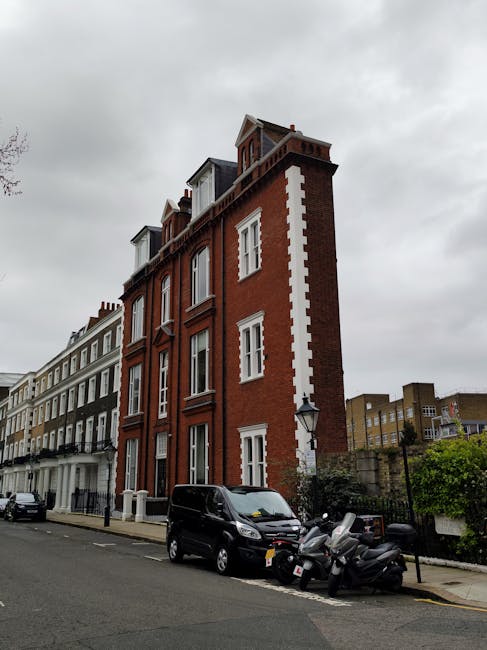
Kensington has its own moving rhythm. Some streets are elegant but awkward; some buildings are lovely but old enough to make a removals crew work carefully around narrow turns, basement access, or shared entrances. That matters because a quote that looks neat at first glance can quickly grow once the mover arrives and says, "Ah, we didn't realise there was no lift," or "That's a long carry from the parking bay."
To be fair, not every extra charge is unfair. Some jobs genuinely need more time, more labour, or specialist handling. The problem is when those costs were predictable but never explained. That is where hidden removals charges bite. They can turn a sensible budget into a moving-day headache, and nobody needs that on top of a key handover and a pile of boxes.
If you are comparing removal companies in Kensington, the cheapest headline price is not usually the safest choice. A transparent mover is more useful than a bargain that turns into a long list of add-ons. The real goal is certainty, not just a low number on the page.
There is also a trust angle. A company that clearly explains its pricing, payment terms, and what happens if plans change tends to be easier to deal with all the way through the move. When you are already juggling estate agents, landlords, building managers, and packed boxes at 7 a.m., clear pricing is not a luxury. It is sanity.
How Avoid hidden removals charges in Kensington what to know Works
Most removals quotes are built from a few core variables: volume, distance, access, timing, and the level of service. The issue is that many customers only see one of those pieces in the quote summary. The rest may be tucked into terms, assumptions, or "subject to survey" language.
Here is the simple version. A mover estimates how much stuff you have, how long it will take to load and unload, what vehicle and crew size are needed, and whether anything unusual will slow the job down. If the information you provide is incomplete, the quote can be incomplete too. That is not always dishonest; sometimes it is just rushed. But the outcome is the same: surprise charges.
Hidden removals charges often appear in a few common forms:
- extra labour for stairs, long carries, or difficult access
- waiting time if keys are delayed or access is blocked
- parking or permit-related costs
- packing materials that were not included in the original quote
- surcharges for heavy, awkward, or specialist items
- late booking, weekend, evening, or same-day fees
- storage, dismantling, reassembly, or shuttle services
Some of those are perfectly reasonable when they are disclosed early. Others are only reasonable if the customer had a fair chance to approve them. That is the basic test. If the charge would have changed your decision, it should have been made visible before booking.
For many local moves, a detailed service page can help you understand what a standard removals package includes. It is worth reading a provider's services overview alongside the quote so you can see whether you are comparing the same thing on both sides.
Key Benefits and Practical Advantages
Being alert to hidden fees is not just about saving money, although that helps. It also improves the whole moving experience. A clear quote gives you better planning, cleaner expectations, and far less chance of a tense conversation on moving day. And let's face it, nobody wants to negotiate with a removal crew while standing in a hallway surrounded by lamp shades and a wobbling wardrobe.
Some real-world benefits include:
- Better budgeting: you know what to set aside for the move instead of guessing.
- Fewer disputes: clear terms reduce disagreement once the job has started.
- Faster decisions: you can compare providers without trying to decode vague language.
- Lower stress: fewer surprises mean less chance of last-minute panic.
- More suitable service matching: you can choose a van, team size, or packing option that fits the job properly.
There is another advantage people overlook: transparent pricing tends to reveal whether a mover really understands Kensington property types. Flats with limited access, period buildings, mews houses, and busy high-street locations all have different movement patterns. A provider that prices those realities in a calm, upfront way is usually more dependable than one that tries to underquote and "sort it later".
If you are moving a specific item, such as a piano or oversized furniture, the value of clarity goes up again. For example, specialist moves are often handled through dedicated services like piano removals in Kensington or furniture removals in Kensington, where the handling needs can be much more detailed than a standard box-and-bag move.
Who This Is For and When It Makes Sense
Honestly, this advice is for almost anyone moving in Kensington. But it is especially useful if your move has any of the following features:
- you live in a flat or apartment building with restricted access
- your property has stairs, basement storage, or no lift
- you need parking arrangements or a small loading window
- you have fragile, bulky, or high-value items
- you are moving at short notice
- you need packing, dismantling, or storage as part of the job
- you are managing a business relocation and cannot afford delays
Students, renters, homeowners, landlords, and office managers all face the same basic issue: moving costs are easier to control before the van arrives than afterwards. A student move from a top-floor flat is not the same as a straightforward kerbside collection. Likewise, a commercial move with IT kit and files is a different beast entirely. If that sounds familiar, student removals in Kensington and office removals in Kensington may be more relevant than a generic man-and-van arrangement.
There is also a timing question. If you are planning ahead, you have more leverage to ask questions, request a survey, and compare written quotes. If you are moving tomorrow, you still need clarity, just faster. In that situation, a service such as same-day removals in Kensington may be useful, but the quote should still spell out any rush-related costs.
Step-by-Step Guidance
Use this process if you want to keep your budget under control and avoid being caught out later.
- List everything that is moving. Include furniture, boxes, garden items, mirrors, electronics, and awkward bits you might forget. The kettle usually makes it, the floor lamp somehow doesn't.
- Describe access honestly. Mention stairs, lifts, long hallways, tight turns, limited parking, and whether the crew will need to carry items a long way.
- Ask what the quote includes. Check labour hours, van size, fuel, materials, dismantling, reassembly, and any waiting time allowance.
- Confirm the likely extras. Ask directly: what circumstances would cause the price to rise? Good movers should answer clearly and calmly.
- Request the quote in writing. A phone estimate is useful for guidance, but a written quote is much easier to compare and refer back to.
- Read the terms before paying a deposit. Look for cancellation rules, minimum charges, amendment fees, and payment timing.
- Ask about insurance and damage handling. Know what happens if something gets scratched, broken, or delayed.
- Check the final booking details. Date, start time, collection address, delivery address, access notes, and contact numbers should all match.
A decent mover will not mind any of this. If anything, they should welcome it. Good questions make the job smoother for everyone. A vague quote, on the other hand, tends to be the first clue that the move itself may become vague too.
If packing is causing the uncertainty, consider using a dedicated packing and boxes Kensington service or at least asking what packing materials are included. Boxes are one of the easiest places for small charges to hide. A few wraps here, a roll of tape there, and suddenly the total is not so neat.
Expert Tips for Better Results
In our experience, the best quote conversations are the ones where the customer sounds slightly overprepared. That is not a bad thing. It saves everyone time.
Here are the practical moves that make the biggest difference:
- Give room-by-room details. A one-bedroom flat with lots of books and a large sofa can be harder than a two-bed with minimal furniture.
- Photograph difficult items. Stairs, loft hatches, narrow doorways, and bulky furniture are easier to assess when seen, not guessed.
- Be honest about uncertainty. If you are still waiting for keys or final inventory updates, say so early.
- Ask for a survey where appropriate. For larger or more complex jobs, a survey can reduce the chance of surprise revisions.
- Compare total cost, not just hourly rate. A low hourly fee can become expensive if it excludes travel, waiting, or extra labour.
- Check payment method details. A proper provider should explain how and when payment is taken, and what security measures are in place. A reliable payment and security page is a good sign.
A small but important tip: ask how the company handles access delays. In Kensington, a ten-minute issue can become a forty-minute issue quickly if building access is controlled or parking is awkward. It is not dramatic, just London. That is the game.
Another smart move is to check whether the mover has clear policies and a genuine business identity. Pages such as About us, terms and conditions, and insurance and safety help build a fuller picture of how a company works, especially if you are comparing several providers.

Common Mistakes to Avoid
Most hidden charges are not mysterious. They usually come from a missed detail, a rushed booking, or an assumption that "the mover will just know". That last one is risky. They might not know, and then the invoice knows instead.
Watch out for these mistakes:
- Accepting a quote without asking what is excluded. What is missing matters as much as what is included.
- Underestimating volume. A few "small" items can fill a van much faster than expected.
- Forgetting about access issues. Long carries, stairs, and lift restrictions often add time.
- Leaving packing to the last minute. Unpacked items can slow the job and create extra labour.
- Not checking cancellation or amendment terms. Moving plans do change, especially in London.
- Assuming all quotes are like-for-like. One may include VAT, materials, and insurance while another does not.
One of the biggest traps is choosing a provider based on price alone. A cheap quote can be fine, but it needs scrutiny. If the mover has not asked about stairs, parking, or bulky items, that is not efficiency; it may be a missing question. And missing questions tend to become missing money later.
If your move involves a flat, it is worth reading a specialist guide such as flat removals in Kensington, or checking a local checklist like the Holland Park flat removals checklist. The local angle matters more than people think.
Tools, Resources and Recommendations
You do not need fancy software to avoid hidden removal charges. A few simple tools and habits are enough:
- A room inventory: write down every item or group items by room.
- Phone photos: capture stairs, access points, and bulky furniture from a few angles.
- A quote comparison sheet: note what each mover includes and excludes.
- Your building details: floor level, lift access, parking restrictions, and any porter arrangements.
- Move-day contact list: estate agent, concierge, landlord, and the removal team.
It can also help to use supporting local information when planning the move itself. If you are buying or selling, the timing advice in Kensington real estate tips and property tips in Kensington may help you line up moving dates more sensibly. And if you are settling into the area, a piece like local reviews living in Kensington gives useful context about the area beyond the moving day itself.
For broader service planning, it is also worth checking whether you need a van-only job, a man and van, or a fuller removal service. The difference matters because pricing structures do too. A simple man with a van in Kensington arrangement can suit smaller loads, while larger homes may need a more complete team and vehicle setup through removals Kensington or removal services Kensington.
Law, Compliance, Standards, or Best Practice
Without turning this into a legal seminar, there are a few sensible standards you should expect from any professional removals company in the UK. They should be clear about pricing, honest about limitations, and careful with your belongings and personal data. That is the baseline.
Good practice usually includes:
- clear written quotes and terms
- transparent payment rules
- reasonable communication before, during, and after the move
- appropriate handling of fragile or specialist items
- basic health and safety awareness for staff and customers
- insurance arrangements explained in plain English
You do not need to become a compliance expert, but you should be able to see whether a company takes its responsibilities seriously. A mover that publishes health and safety policy, privacy policy, and cookie policy is at least making its operating rules visible. That matters more than people think.
If you are concerned about customer service or aftercare, a clear complaints procedure is another reassuring sign. Not because you expect a problem, but because it tells you the business has thought about what happens if something does go wrong. That is usually a good marker.
For sustainability-minded customers, you may also want to see how waste, cardboard, and unwanted items are handled. A page like recycling and sustainability can show whether the company is taking disposal and reuse seriously instead of just treating everything as landfill-bound clutter.
Options, Methods, or Comparison Table
Different move types suit different budgets and risk levels. Here is a simple comparison to help you decide what feels appropriate.
| Option | Best for | Hidden fee risk | What to check first |
|---|---|---|---|
| Man with a van | Small loads, student moves, single-room moves | Moderate if access or timing is unclear | Vehicle size, labour, waiting time, stairs |
| Full removals team | Flats, houses, bigger family moves | Lower when the quote is detailed | Included labour, materials, insurance, access notes |
| Specialist removals | Pianos, heavy furniture, delicate items | Moderate to high if item handling is vague | Special handling, equipment, access requirements |
| Same-day service | Urgent or last-minute moves | Higher unless the surcharge is explained | Availability, timing, rush fee, scope of work |
| Storage plus removals | Staged moves or temporary in-between housing | Moderate if storage duration is not clear | Storage period, access, collection and return costs |
If you need temporary holding space, do not leave storage costs to guesswork. Ask for the exact arrangement up front. A page such as storage should only be used if it matches the exact approved URL structure available on the site; otherwise, the safer route is to ask the company directly during quoting. That little detail can save a lot of confusion.
Case Study or Real-World Example
Picture a typical Kensington flat move on a Friday morning. The client has a two-bedroom apartment, a sofa, a dining table, several boxes, and a large mirror. The building has a lift, but it is small and must be booked. Parking is tight, and the loading bay is not right outside the entrance. Nothing outrageous - just normal Kensington stuff.
In the first quote, the company asks only for the number of rooms and gives a neat headline price. In the second quote, the mover asks about access, lift booking, furniture size, and whether the mirror needs special wrapping. The second quote looks slightly higher at first. But it is more likely to be accurate, and that is where the real saving happens.
What usually goes wrong in the cheaper version? The crew arrives and realises the sofa will need dismantling. The lift booking runs long. The van cannot park exactly where expected. Suddenly the job extends, the clock keeps moving, and the final bill climbs. The customer feels ambushed, even if nobody intended it that way. Awkward, honestly.
Now compare that with a clearer approach. The mover has already asked for the dimensions of the largest items and the likely access limitations. They know they may need extra labour and they say so in advance. That means the customer can approve the price before moving day, or change the plan if it no longer fits the budget. Much better. Much calmer.
For specialist items, the same logic applies. A piano or antique cabinet should be discussed early, not after the crew is already downstairs. A helpful page like Royal Albert Hall piano removals specialists in Kensington shows how specialist planning becomes part of the job rather than an awkward add-on.
Practical Checklist
Use this checklist before you confirm any removals booking:
- Have I listed every item or room that is moving?
- Have I explained stairs, lifts, parking, and access restrictions?
- Does the quote clearly state what is included?
- Do I understand the likely extras and when they apply?
- Have I checked cancellation, amendment, and waiting-time terms?
- Do I know whether packing materials are included?
- Is insurance explained clearly?
- Have I asked about dismantling and reassembly?
- Have I compared at least two quotes on a like-for-like basis?
- Have I received the final booking details in writing?
And if you are handling a flat move, keep a copy of the inventory and access notes to hand. It sounds basic, but basic things are what stop most quote disputes. The boring bits matter. They really do.
Conclusion
Avoiding hidden removals charges in Kensington is less about hunting for the cheapest price and more about demanding clarity. Ask the right questions, describe your move properly, and make sure the quote matches the job you actually need done. That alone removes a lot of stress.
In a place like Kensington, where access can be tight and property layouts vary from elegant to slightly awkward, the best move is usually the most transparent one. The quote should feel sensible before you pay, not after you have already carried half the kitchen downstairs.
If you take one thing from this guide, let it be this: a good removal company should help you understand the total cost, not hide it in pieces. That is what protects your budget and your nerves.
Get a free quote today and see how much you can save.
And if you are still comparing options, choose the team that answers clearly, writes things down, and makes the process feel manageable. That calm feeling on moving day? Worth a lot.