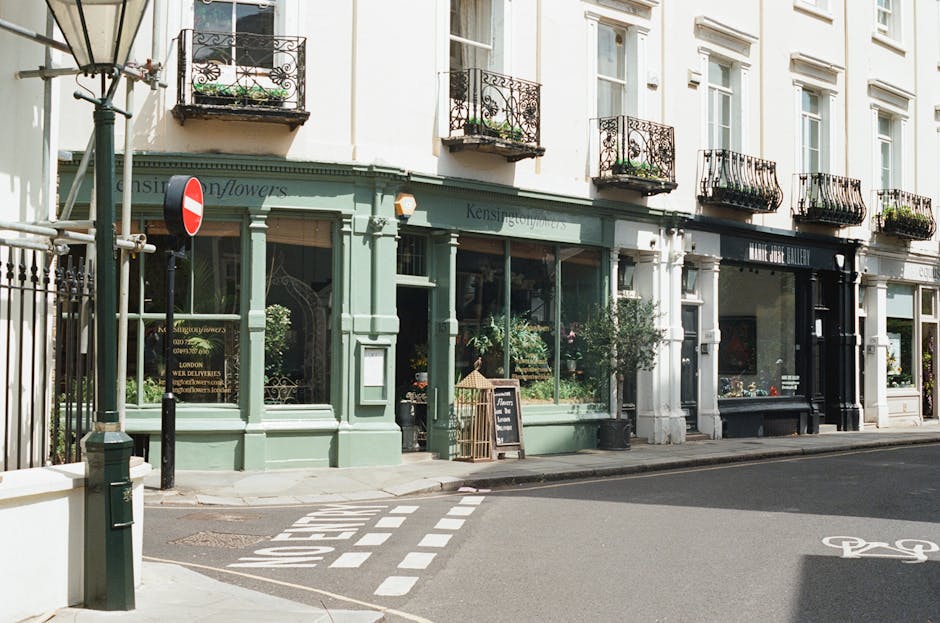
Kensington and Chelsea council permit rules for removals
Posted on 08/07/2026

Kensington and Chelsea council permit rules for removals: a practical local guide
If you are planning a move in Kensington or Chelsea, the paperwork can be almost as important as the packing. The streets are busy, bays are tight, and a van parked badly for ten minutes can set the whole day off course. That is why understanding Kensington and Chelsea council permit rules for removals matters so much. It is not just about avoiding a ticket. It is about keeping your move calm, legal, and on schedule.
In this guide, we will walk through how council permits usually work for removals, what tends to trip people up, and how to plan ahead without making the day more stressful than it needs to be. If you are moving a flat, house, or office, or you simply want to avoid the classic "we thought it would be fine" moment, you are in the right place.
Why Kensington and Chelsea council permit rules for removals Matters
Kensington and Chelsea is not a borough where you can usually treat loading and unloading as an afterthought. Many roads are narrow, parking is controlled, and access can be awkward even on a good day. In practice, removals often depend on a combination of the right vehicle, the right timing, and the right parking arrangement. Miss one piece, and the rest of the move starts to wobble.
This matters because removals are time-sensitive. A team waiting for space outside a building is not just inconvenient; it can quickly become expensive. A permit or bay suspension may be needed depending on the location, the size of the vehicle, and how long the van needs to stay put. Even if you are using a man with a van in Kensington, the same basic access issues can apply.
There is also the neighbour factor. Let's face it, nobody wants to be the person whose sofa move blocks the road at school run time. A sensible permit plan helps keep relations civil, which is often worth more than people realise. You'll notice this especially in busy residential streets and around apartment blocks where everyone seems to be moving something at the same time.
For larger or more complicated moves, a permit question should be part of the early planning stage, not something left until the evening before. If you need a wider overview of what a removals provider can handle alongside parking and access planning, the services overview and removals Kensington pages are useful starting points.
How Kensington and Chelsea council permit rules for removals Works
The exact process can vary by street, building, and vehicle type, but the logic is usually the same: if a removal vehicle will need to use a controlled parking space, road space, or loading area, permission may be required in advance. Sometimes that means a suspension of a parking bay. Sometimes it means using a bay lawfully within the standard restrictions. In other situations, the move may need to be scheduled for a time when parking pressure is lower.
Here is the plain-English version. The council wants to manage kerbside space safely and fairly. Removal companies want enough room to load and unload without causing a chaos spiral. You want the move to happen without a fine, delay, or back-and-forth with a stressed-out driver. The permit system is the bridge between those goals.
In many cases, the planning conversation starts with a question like: will the van fit legally and safely outside the property? If yes, great. If not, the move may need a bay suspension, alternative access, or a different vehicle size. This is where local experience matters. A move in a terraced street near Kensington High Street is rarely the same as a top-floor flat move in a quieter side road. There is a reason people search for flat removals Kensington and house removals Kensington separately. The access issues are not identical, not even close.
It is worth remembering that permit rules are only one piece of the puzzle. Timing, loading access, lift use, stairs, and distance from the van to the front door all shape the day. If you are moving furniture that is awkward or valuable, the need for a permit may come alongside specialist handling. That is where furniture removals Kensington or piano removals Kensington can become relevant as part of the wider plan.
Key Benefits and Practical Advantages
Getting the permit side right does more than keep you compliant. It makes the entire move feel smoother. Here are the practical wins people usually notice.
- Less risk of fines or enforcement issues. That alone can save a lot of annoyance.
- Better timekeeping. When the van has a legal place to work from, loading is usually more efficient.
- Less physical strain. Shorter carrying distances often mean fewer bumps, fewer trips, and less tiredness.
- Cleaner coordination with neighbours and building staff. Things feel more organised, which sounds simple but really does help.
- More predictable pricing. Delays can create extra labour time, and nobody enjoys surprise costs.
There is also a subtler benefit: confidence. When you know the parking side has been considered, you stop second-guessing every part of the move. You can focus on the boxes, the inventory, and whether the kettle is already in the right van. True story, that kettle question matters more than it sounds at 7:30 in the morning.
For people who are comparing service levels, permit support can also be a sign of a well-run removals team. A company that thinks about access, timing, and local restrictions tends to be more practical overall. If you are in the early research stage, a look at removal companies Kensington can help you weigh up what kind of support you want before moving day arrives.
Who This Is For and When It Makes Sense
Short answer: most movers in Kensington and Chelsea should at least ask the permit question early. That includes:
- homeowners moving out of terraced or mews properties
- tenants moving into or out of flats with limited access
- students shifting between smaller properties and halls
- office teams relocating equipment, files, or furniture
- anyone with bulky or fragile items needing more time at the kerb
The need becomes more obvious if you are moving from a busy road, a controlled parking zone, a building with strict entry rules, or a place where the van cannot park directly outside. If you are on a tight schedule, it matters even more. Same-day plans are possible in some circumstances, but they are usually less forgiving, which is why the topic comes up often alongside same-day removals Kensington.
Office moves deserve special mention. They tend to involve more pieces, more people, and more pressure to keep disruption low. In those cases, permit planning, loading access, and building rules should all be discussed together. If that sounds familiar, it may be worth reviewing office removals Kensington before you lock in the moving date.
And yes, if you are only moving a few items, you might still need to think about parking. A small job is not automatically a simple job. A tiny van can still get caught by a narrow bay, tight turning circle, or an awkward entrance gate. London likes to keep things interesting.
Step-by-Step Guidance
- Check the property and street access first. Look at the width of the road, nearby parking controls, bay restrictions, and any physical barriers. Don't rely on memory alone; a quick walk outside can reveal what the map misses.
- Estimate the vehicle size and unloading time. A small van, a larger removal van, or a multi-trip move will all create different parking needs.
- Ask whether a bay suspension or loading arrangement is needed. If the van cannot stop legally for long enough, this becomes a priority.
- Speak to your removals provider early. A local team can often flag access issues you might not spot. The removal van Kensington page is useful if you are comparing vehicle options and capacity.
- Coordinate with the building or managing agent. Flats and managed blocks may have their own move-in/move-out rules, lift bookings, or time windows.
- Build in a buffer. Traffic, lift delays, and narrow staircases happen. Better to assume the day will take a little longer than ideal.
- Confirm everything before the move date. Even a decent plan can unravel if one small detail is left vague.
If you want a smoother packing-and-loading process, it helps to pair permit planning with proper packing prep. That means boxes labelled clearly, essentials separated, and fragile items wrapped in a way that makes sense for a quick unload. The packing and boxes Kensington page fits neatly into that stage of the move.
A practical example: if you are moving out of a second-floor flat near a busy high street, a permit can save the team from circling the block while carrying boxes across a road with constant traffic. It sounds small. It is not small on move day.
Expert Tips for Better Results
Here are the tips that tend to make the biggest difference in real life, not just on paper.
- Book earlier than you think you need to. Permits, building access, and moving slots can all become awkward at short notice.
- Share the exact property details. Floor level, lift access, concierge hours, and street layout all matter.
- Use a local team if possible. Local removals crews know the little things: the road that always clogs up, the bay that disappears fast, the block that takes forever to access. Those details save time.
- Ask how loading will actually happen. Who parks where? Who carries what? Which entrance is best? It is better to ask the plain question than assume.
- Keep a clear line of communication open. One person should own the move details so there is no confusion halfway through the day.
In our experience, the moves that feel easiest are not the ones with the fanciest gear. They are the ones with the cleanest logistics. A sensible parking plan, a realistic timeline, and a few honest conversations usually beat last-minute heroics. Every time.
If sustainability matters to you, it can also be worth considering what happens to packing materials and unwanted items after the move. A careful move often goes hand in hand with a lighter, more organised exit. The recycling and sustainability page is a useful reminder that moving well and moving responsibly can sit together quite nicely.

Common Mistakes to Avoid
Most problems with removals permits come from rushing, assuming, or misreading the street situation. Here are the repeat offenders.
- Leaving permit checks until the day before. That is probably the most common one.
- Assuming a small van means no parking issue. It may still need legal loading space.
- Forgetting building restrictions. Some properties have move windows, lift booking rules, or quiet hours.
- Not factoring in furniture size. Big items can change the whole unloading setup.
- Ignoring traffic and school-run timing. On some streets, that can make a straightforward move feel oddly impossible.
- Failing to brief the removals team properly. If they do not know the access problems, they cannot plan around them.
Another common slip: focusing only on the permit and forgetting the actual move path. A van may park legally, but if the carry route includes a long staircase, a blocked lift, or a heavy front door that sticks in the frame, the day still slows down. That is why the permit conversation should sit alongside the broader access conversation, not replace it.
For people who want to avoid hidden charges, this is especially important. Delays caused by parking confusion or last-minute access changes can affect the final cost, depending on the arrangement. If you want a deeper look at that side of the process, see avoid hidden removals charges in Kensington.
Tools, Resources and Recommendations
You do not need a giant toolkit to manage this properly, but a few simple things help a lot.
- A street checklist. Note parking bays, signposts, access gates, and any restrictions you spot.
- Photos of the loading area. A couple of clear pictures can help a removals team judge what is possible.
- A moving inventory. This helps with planning the van size, number of staff, and likely unloading time.
- Building contact details. Concierge, landlord, or managing agent info can save you a lot of chasing later.
- A backup plan. Sometimes another loading point is needed. That is fine, as long as you know it before the morning of the move.
For service planning, it can help to compare the kind of move you are doing with the support available. A full house move, a flat move, or a specialist item relocation all create different demands. The pages on house removals Kensington, flat removals Kensington, and piano removals Kensington help you think in the right category rather than treating every move as the same.
If your move is small and fast, a van-and-driver style solution can sometimes be the right fit. If it is more complex, a fuller removals service may be better. You can compare the fit with man and van Kensington and removal services Kensington. Different jobs, different rhythms.
Law, Compliance, Standards, or Best Practice
This section needs careful wording. Councils can change local parking and loading requirements, and the exact rules may depend on the street, signage, time of day, and the nature of the vehicle's use. So rather than guessing at a one-size-fits-all answer, the safest approach is to treat permit checks as a normal part of move planning whenever controlled parking or restricted loading is involved.
Best practice in this context usually means:
- checking local parking restrictions before the move
- confirming whether the van needs a formal permit, a bay suspension, or simply lawful loading time
- making sure all bookings align with building access rules
- keeping clear records of agreed moving times and instructions
- using a provider that handles goods carefully and works safely on stairways, pavements, and public access routes
For businesses, compliance may also touch health and safety planning, insurance, and liability around staff and equipment. If you are arranging an office relocation, the paperwork and risk management side deserves as much attention as the furniture list. A good reference point is the health and safety policy page, which reinforces the kind of safety-first thinking that should shape the whole move.
Insurance is another sensible consideration. A move is always a bit more exposed than daily life. Doors open, items are carried through narrow spaces, and things can knock together if nobody is careful. That is normal. It is also why insurance and safety matter from the start rather than as an afterthought.
Options, Methods, or Comparison Table
Different move types create different permit and access needs. Here is a simple comparison to help you think it through.
| Move type | Typical permit pressure | Main access challenge | Best planning focus |
|---|---|---|---|
| Small flat move | Moderate to high | Narrow roads and shared entrances | Parking, lift booking, carry distance |
| House move | Moderate | Longer loading time and larger item volume | Vehicle size, loading bay use, stair access |
| Office move | High | Time pressure and equipment volume | Building access, parking control, sequencing |
| Single-item specialist move | Variable | Handling and route complexity | Item protection, safe loading, route clearance |
The table is not a rulebook, just a practical way to think. A small move can still be tricky, and a bigger move can sometimes be straightforward if the street access is generous. That is the annoying part, really. The building decides a lot.
If you are unsure which route makes the most sense, start with the kind of property you are moving from. For example, the day can feel very different for people moving from a compact apartment versus a family house with clearer access. If that is your situation, the house removals Kensington and flat removals Kensington pages help frame the decision properly.
Case Study or Real-World Example
Imagine a couple moving out of a second-floor flat in South Kensington on a weekday morning. The street is busy, the parking spaces are controlled, and there is only a narrow section where a van can stop without blocking the flow of traffic. On paper, the move looks like a simple one-bedroom job. In practice, it is a logistics exercise.
They first check the access outside the building and realise the van cannot sit in front for long without causing problems. The building also wants the lift booked for a specific window. So the move is split into two priorities: parking and timing. Once those are clear, the rest becomes much easier. The removal team knows where to stop, when to arrive, and how long the carry will take. No one is standing around guessing. That is a big deal.
Now, if they had ignored the permit side, the day could have gone very differently: extra walking distance, unnecessary delay, possible enforcement problems, and a tired crew by lunchtime. Not ideal. A simple early check avoids that entire spiral.
This kind of situation is exactly why local moving knowledge matters. If you want more context on busy neighbourhood access and the sort of snags that can slow a move, the article on access restrictions and delays for W8 removals is especially relevant. It gives a grounded sense of how these real-world issues show up on moving day.
Practical Checklist
Use this as a final pre-move sanity check. Simple, but helpful.
- Confirm the property address and full access details
- Check whether parking outside is controlled or restricted
- Ask if a permit, suspension, or loading arrangement is needed
- Confirm van size and expected loading time
- Book lift access or building move windows if required
- Tell the removals team about stairs, narrow hallways, or awkward entrances
- Prepare any specialist items separately
- Label boxes by room and priority
- Keep contact numbers handy on the day
- Allow a little breathing room in the schedule
If you are still choosing a provider, pricing and clarity matter too. A move is easier to manage when you know what is included, what is not, and how the crew handles access issues. The pricing and quotes page can help set that expectation properly.
Get a free quote today and see how much you can save.
Conclusion
At the end of the day, Kensington and Chelsea council permit rules for removals are really about keeping your move orderly in a borough where kerbside space is precious. If you plan the parking side early, coordinate with the building, and choose the right vehicle and service level, you can remove a surprising amount of stress from the day.
The best moves are not always the flashiest. They are the ones where the van arrives on time, the route is clear, and nobody has to invent a plan in the street while balancing a lamp. Small details. Big difference.
So take the permit question seriously, but not fearfully. It is just one part of a well-run move, and once it is handled, everything else tends to fall into place more naturally. Bit by bit, it becomes manageable.